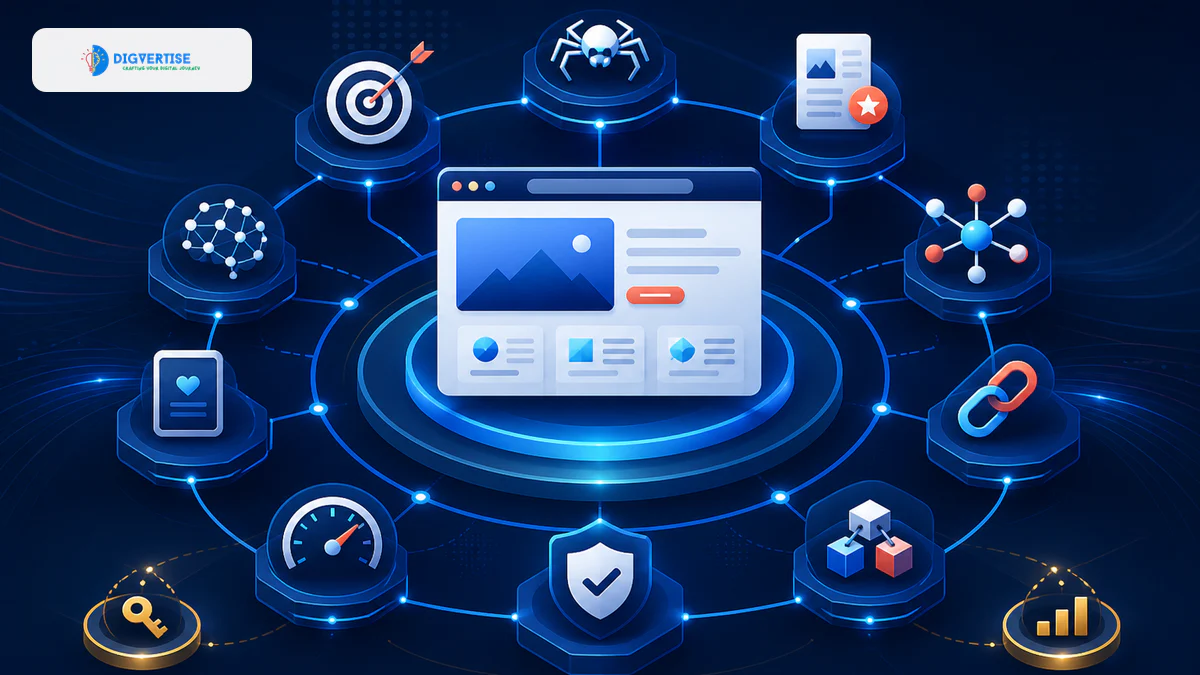

Keywords and rankings remain useful, but they are incomplete measures of SEO. A page can rank for the wrong intent, attract visits that never act or lose visibility because search systems cannot reliably access, interpret or trust it. Modern SEO treats the website as a connected information and customer-experience system.
In 2026, the durable work is familiar: make pages accessible, answer real needs, show who is responsible for the information, connect related topics and measure useful outcomes. AI-assisted search adds new discovery surfaces, but Google’s current guidance says established SEO best practices still apply and no special AI schema is required.
1. Technical accessibility comes first
Search systems need to crawl and index important pages. Robots directives, canonical signals, status codes, duplicate routes, rendering and internal navigation can all affect that process. Technical SEO is not an isolated developer checklist; it protects the visibility of editorial and commercial work.
- Important pages return a successful status and are indexable.
- Canonical URLs represent the intended public route.
- Navigation and internal links expose important content.
- Mobile rendering contains the same useful information.
- Structured data can be parsed and matches the page.
- Sitemaps contain canonical URLs and sensible modification dates.
2. Search intent shapes the page
A keyword is a clue to a need. ‘SEO audit’ may represent someone learning what an audit includes, comparing providers or looking for a tool. A useful page identifies the dominant intent and gives the reader the right format: explanation, comparison, service detail, checklist or diagnostic.
Intent mismatch explains why some pages receive impressions without meaningful engagement. Adding more keyword variations cannot fix a page that answers a different question.
3. Content usefulness beats mechanical coverage
Google’s people-first guidance asks whether content offers original information, substantial explanation and value beyond obvious summaries. That does not require every page to be long. It requires the depth, evidence and structure appropriate to the task.
Useful content defines concepts, explains relationships, handles exceptions, shows examples and helps a person act. Mass-producing lightly changed articles around similar phrases can create cannibalization and weaken editorial trust.
4. Entities and consistent facts improve understanding
An entity is a recognizable person, organization, place, product or concept. Clear connections between the business, its services, locations, authors and evidence help both readers and machines understand what the site represents. Consistent names and details across the website and important profiles reduce ambiguity.
5. Internal linking builds context and journeys
Internal links should connect genuinely related information. A beginner guide can link to a deeper implementation article; a service page can link to evidence and FAQs; a diagnostic article can link to the relevant solution. Descriptive anchor language is more useful than repeated ‘click here’ links.
6. Structured data must match visible content
Structured data can clarify page type, authorship, breadcrumbs and visible FAQs. It does not replace the content and does not guarantee a special result. Invalid, misleading or invisible markup creates risk rather than an advantage. Use only appropriate types and keep dates, author names and questions aligned with the page.
7. Trust is built through evidence and accountability
Clear bylines, author context, source links, contact information, policies and specific evidence help readers evaluate a page. For advice, explain limitations and avoid invented certainty. For changing platform claims, cite current primary documentation. For examples, label illustrative scenarios as illustrative.
8. Page experience supports the task
Good page experience includes mobile usability, readable typography, stable layout, sensible performance and low interaction friction. It is not one score. A fast page with confusing navigation still creates a poor experience; a beautiful page that shifts during reading damages confidence.
9. AI-search readiness is strong SEO plus evidence
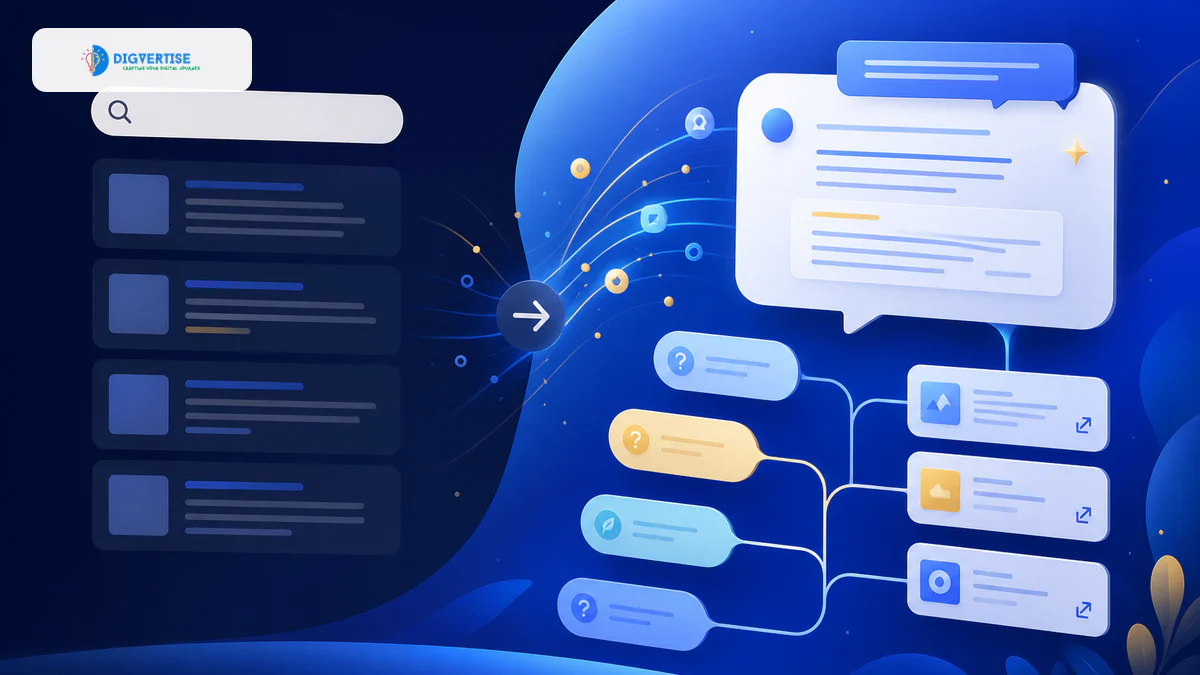
Google says pages must be indexed and eligible for a search snippet to appear as supporting links in its AI features. It also says no additional technical requirement or special schema is needed. The practical focus remains accessible text, clear images where useful, internal discovery, up-to-date profiles and structured data that reflects visible content.
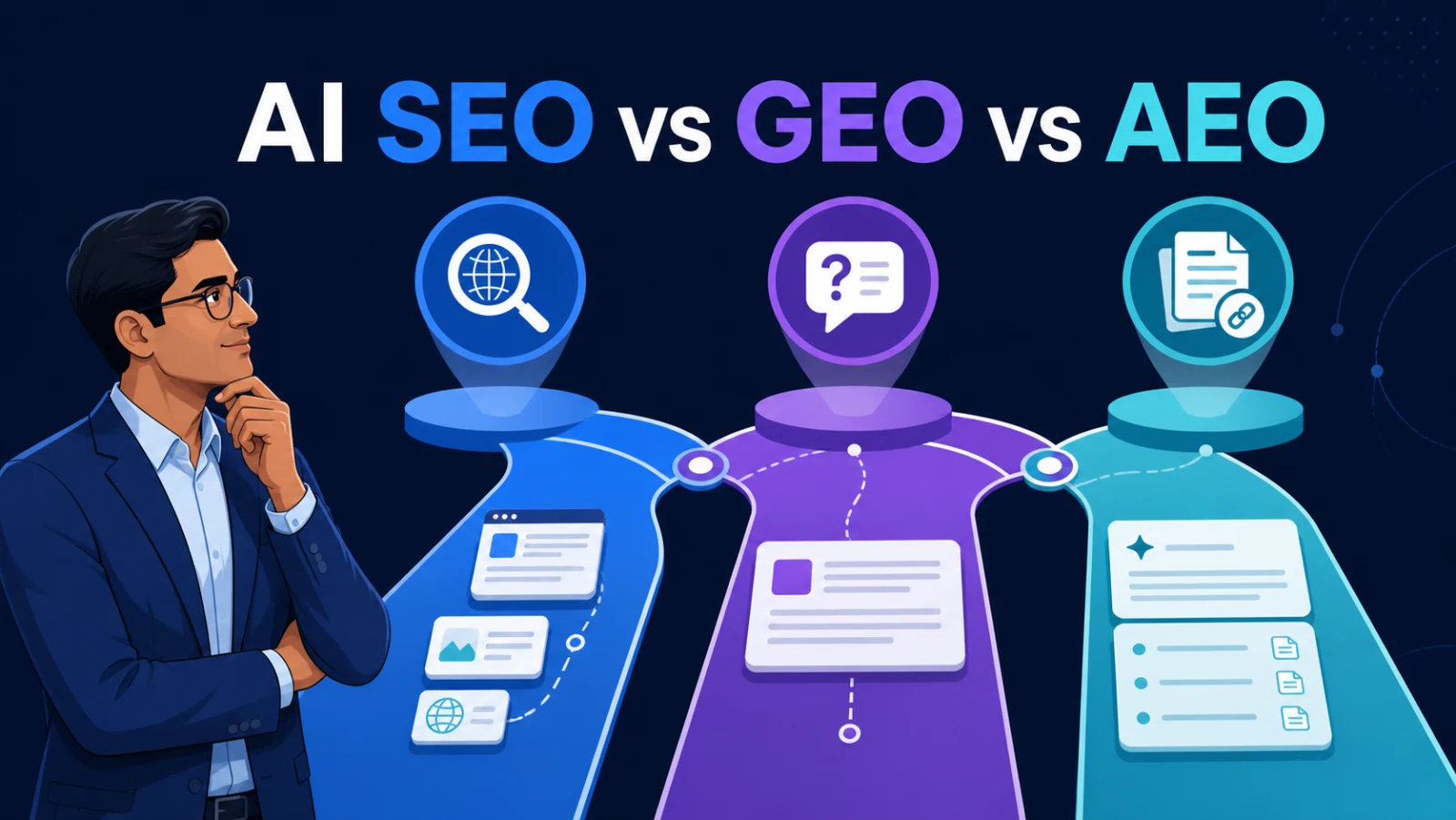
Teams can improve answer readability with concise definitions, direct question headings and well-supported explanations. They should not promise AI citations or create fake ‘GEO hacks’. Inclusion and citation remain platform decisions.
10. Measurement must connect visibility to outcomes
| Layer | Examples | What it tells you |
|---|---|---|
| Technical | Index coverage, crawl issues, performance | Can systems access and use the site? |
| Visibility | Relevant impressions, positions, result types | Where is the site being discovered? |
| Engagement | Useful visits, reading, next-page actions | Does the page serve the intent? |
| Conversion | Qualified calls, forms, bookings, sales | Does search contribute to business outcomes? |
| Quality | Lead fit, revenue, assisted journeys | Is the visibility commercially useful? |
How this differs from ‘Why SEO is important’
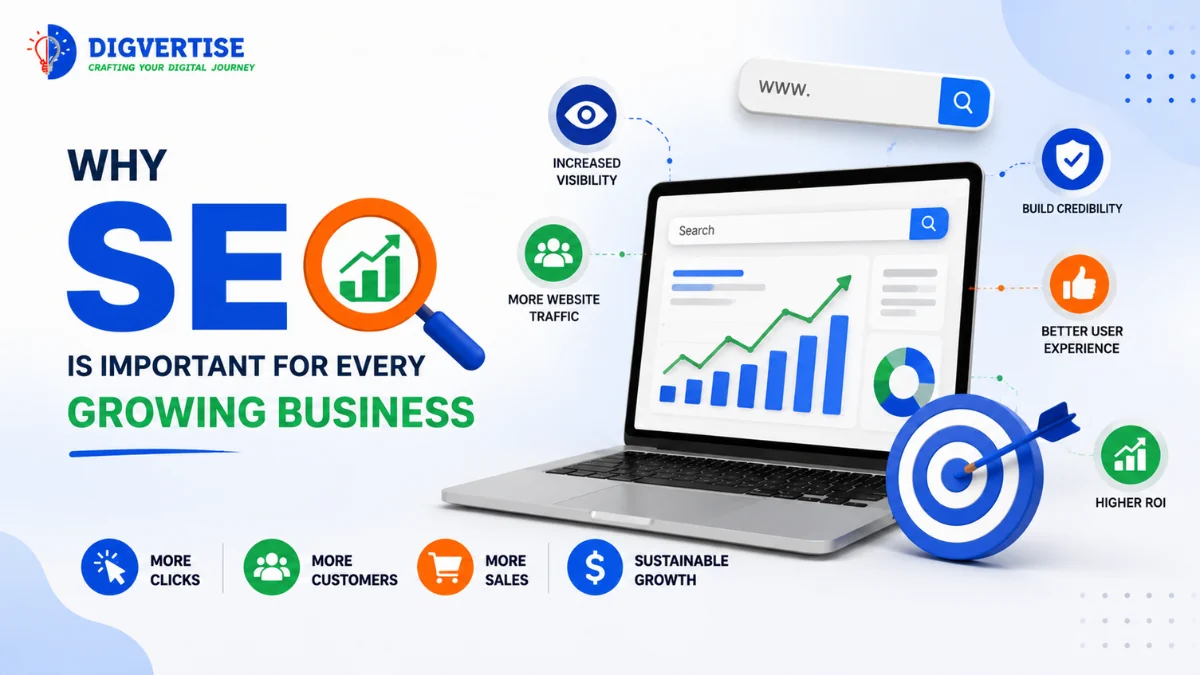
Why SEO Is Important for Every Growing Business explains the business case for search visibility. This article owns modern execution: the operational layers teams need to plan, build and measure in 2026.
A 2026 SEO priority order
- Resolve access, indexing, canonical and route problems.
- Map each important page to a distinct user intent.
- Strengthen content with original value and credible sources.
- Clarify entities, authorship and business facts.
- Build contextual internal links.
- Add only accurate, visible-content-aligned structured data.
- Improve mobile task completion and page experience.
- Measure qualified outcomes and iterate.
SEO governance prevents drift
Search performance often weakens through many small unmanaged changes: a campaign creates a duplicate landing page, a CMS publishes thin tag archives, navigation hides a service or a redesign changes canonical URLs. Assign owners for technical releases, editorial standards and measurement. Review high-risk changes before launch and keep a route inventory for important pages.
Content pruning requires judgment
Deleting older pages simply because they have low traffic can remove useful context, links or niche answers. First determine whether the page is outdated, duplicated, unsupported or still valuable to a small audience. The right action may be updating, consolidating, redirecting, retaining or removing. Preserve a clear reason and mapping for every decision.
Programmatic and AI-assisted content need controls
Automation can support research, classification and drafting, but publishing at scale without distinct purpose or review can create near-duplicate pages. Define what original input each page adds, how facts are checked, who is accountable and when the content expires. The production method does not excuse a weak result.
International and local SEO are context problems
Location and language variants should exist because the offer, audience or information genuinely differs. Translated pages need accurate meaning, local terminology and usable alternate-language relationships. Local pages need unique service-area evidence rather than a city name swapped into the same copy.
What to inspect quarterly
- Index and canonical changes for priority routes.
- Queries that reveal new or mismatched intent.
- Content clusters competing for the same purpose.
- Broken or weak internal-link pathways.
- Structured data errors and visible-content parity.
- Mobile task completion and layout stability.
- Source freshness for changing platform claims.
- Qualified conversion and lead-quality trends.
Rankings need interpretation
Average position can hide differences by device, location, query and result type. A ranking increase may not create clicks if the result page changes; a traffic decline may coincide with stronger lead quality after intent becomes more focused. Use rankings as diagnostic evidence, then connect them with impression, click, page and conversion data.
SEO is no longer well described as placing keywords and watching a ranking chart. It is the discipline of making useful information discoverable, understandable, trustworthy and connected to a real outcome.
Key takeaways
What to remember
- Technical accessibility and indexability come first.
- Pages should own distinct search intent.
- Original usefulness and evidence beat mechanical coverage.
- Structured data must reflect visible content.
- Measure business value beyond ranking positions.
FAQ
Common questions
Do keywords still matter for SEO in 2026?
Yes, keywords still help reveal language and demand, but intent, accessibility, usefulness, entities, trust, links, experience and outcomes determine a more complete strategy.
Is special schema required for AI Overviews?
No. Google says there is no special schema or additional technical requirement for AI Overviews or AI Mode; established SEO fundamentals remain relevant.
What should SEO measure beyond rankings?
Track indexing, relevant visibility, useful engagement, qualified conversions, lead quality and assisted business outcomes.
References
Sources and further reading
- Google: Search Essentials (opens in a new tab)
Official technical and content eligibility guidance.
- Google: Creating Helpful, Reliable, People-First Content (opens in a new tab)
Official content quality self-assessment.
- Google: AI Features and Your Website (opens in a new tab)
Official AI feature eligibility and SEO guidance.
- Google: Structured Data General Guidelines (opens in a new tab)
Official visible-content and markup policies.
Editorial trust
Digvertise Editorial Team
Digvertise Editorial TeamResearch-led practical guidance prepared by the Digvertise editorial team.
- Editorial date
- August 6, 2026