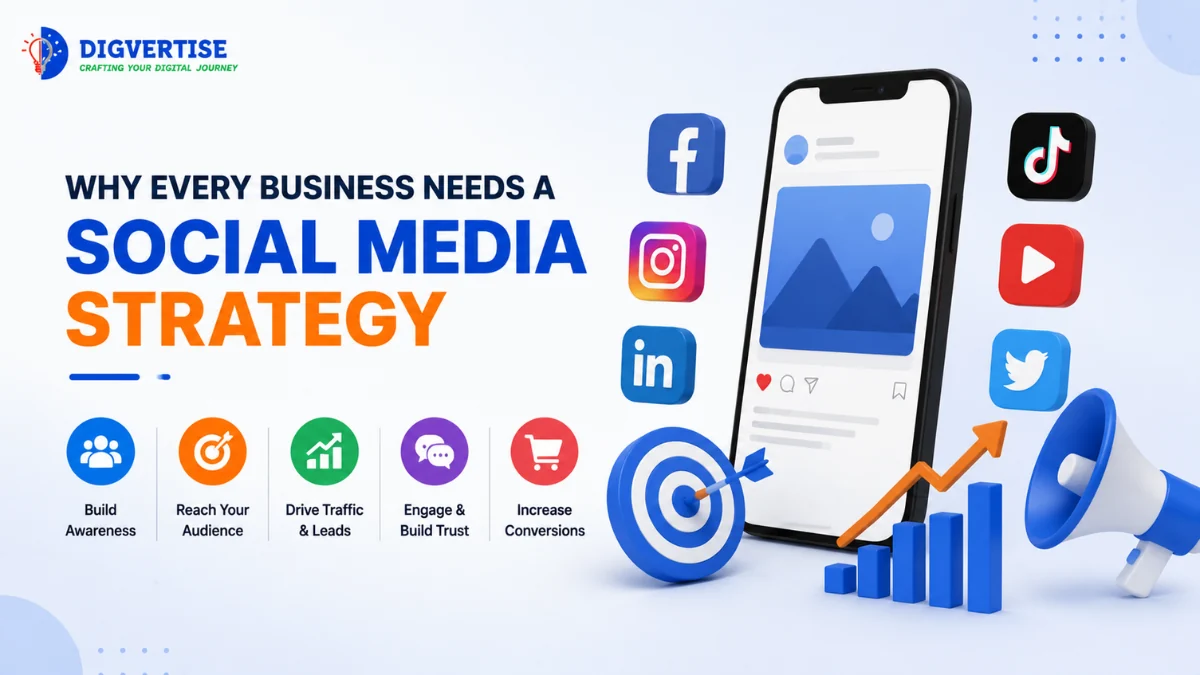
Every day, millions of potential customers browse social platforms like LinkedIn, Instagram, Facebook, and YouTube. They look at updates from their peers, watch video guides, and search for recommendations. If your business is not present in these feeds, or if your profiles look abandoned, you are invisible to a massive segment of your target market. You are handing ready-to-buy prospects to competitors.
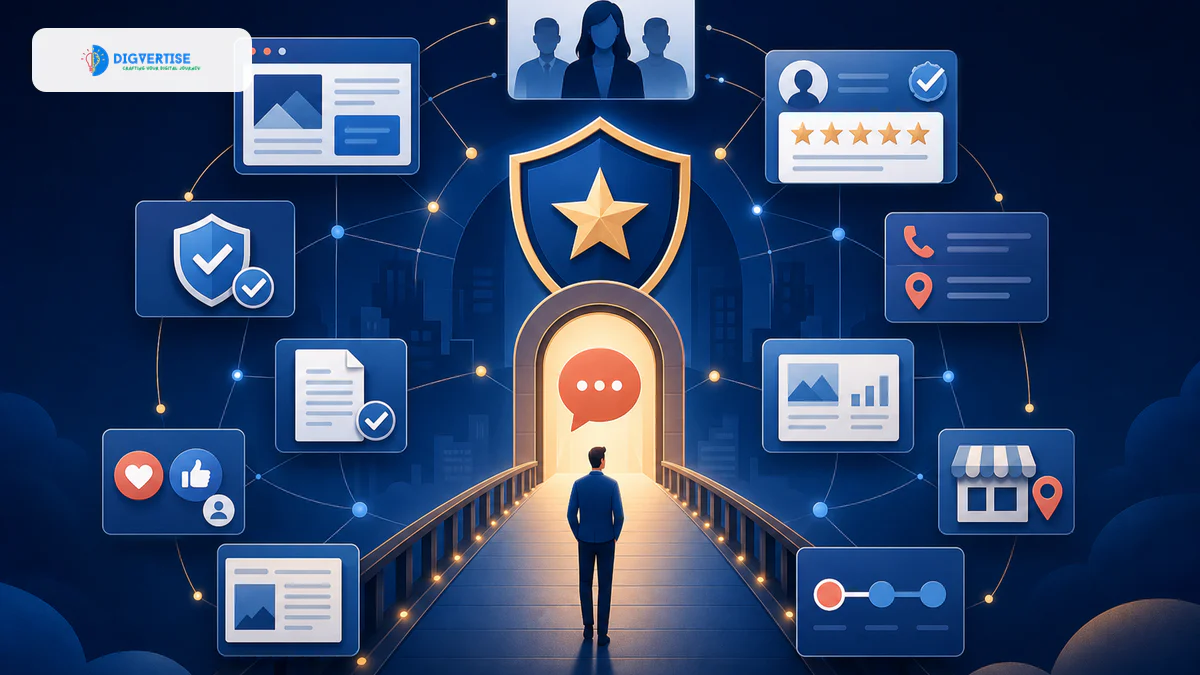
A premium social media strategy is not just about posting random graphics or writing generic updates. It is the bridge that connects your brand with active online communities, builds customer trust, and drives enquiries. When done right, social media acts as a conversion-ready environment that supports your overall marketing campaigns and increases your sales velocity.
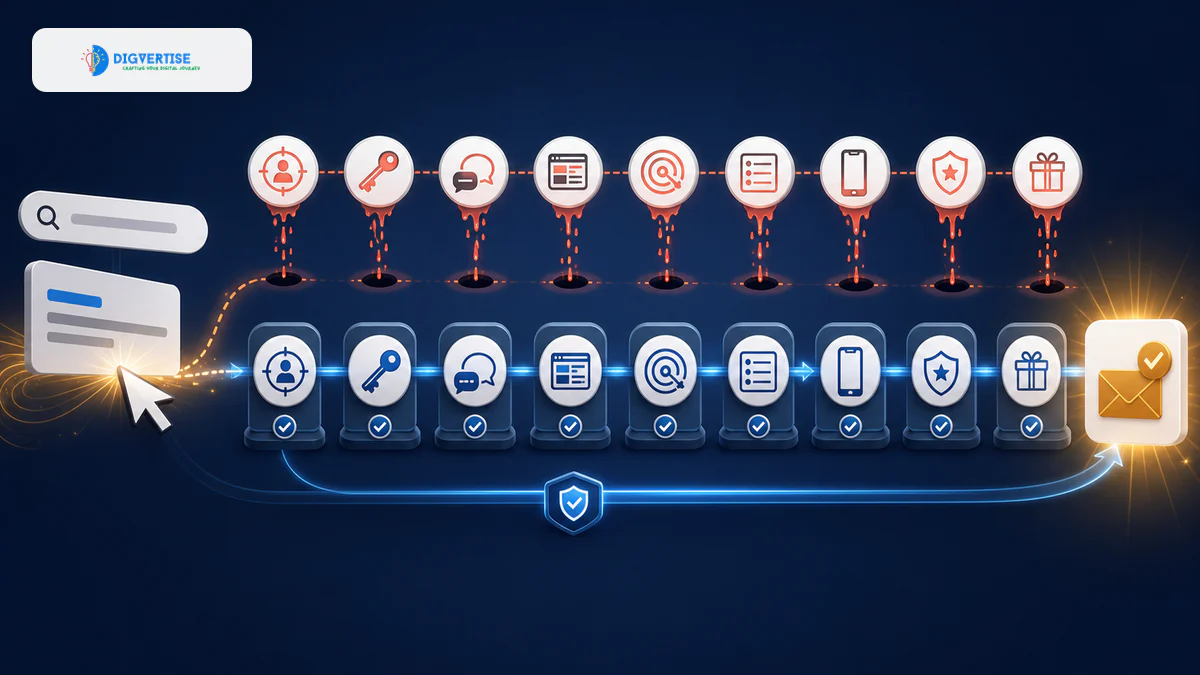
At Digvertise, we look at social media through a practical, growth-focused lens. We don't believe in vanity metrics like likes, shares, or empty follower counts. We believe in social media pipelines that capture high-intent leads and route them directly to your database. By aligning your social presence with structured landing pages and fast follow-up systems, you turn online attention into real revenue.
Many business owners assume they need a dedicated marketing department or massive budgets to succeed on social media. In reality, they need a structured, consistent plan focused on the right channels. This guide explains how to build a social media strategy that drives growth.
What a Social Media Strategy Actually Means
A social media strategy is a detailed operational plan outlining what content you will publish, on which platforms, how often, and how you will route enquiries to support your business goals. It aligns your online profiles with your branding guidelines and customer acquisition funnels.
For example, when a prospect runs a scan using our Online Business Score tool, they get a report validating their digital footprints. If we share a client case study on LinkedIn demonstrating how this tool helped a CA firm identify missing listings, it explains the value of our services in a real-world context, driving high-quality enquiries.
Why Posting Without a Plan Blocks Growth
Most small businesses post updates randomly. They share a festival greeting one week, a generic product photo the next week, and then go silent for two months. This inconsistent posting style signals neglect to both search algorithms and prospects. It fails to build brand recall and blocks customer acquisition.
Furthermore, when local businesses get enquiries in their social media direct messages (DMs), they often reply days later. By then, the prospect has already contacted a competitor. Growth rarely slows because of lack of demand. It usually slows because follow-up systems are slow and unoptimized. A focused social strategy resolves these operational gaps.
The Digvertise Social Authority Framework™
To help service brands and manufacturers build active digital communities, we developed the proprietary Digvertise Social Authority Framework™. This framework outlines a 5-level path to social media dominance:
- Level 1 - Channel Alignment Audit: Focus your energy on platforms where your ideal clients actually spend their time. B2B brands should prioritize LinkedIn; local service brands should prioritize Instagram and Google Maps.
- Level 2 - Visual Identity Sync: Update identical logos, high-resolution header graphics, and brand descriptions across all profiles. Learn more about branding consistency in our Brand Identity Guide.
- Level 3 - Content Calendar Structure: Build a monthly schedule balancing educational tips, client reviews, product demonstrations, and clear CTAs. Avoid using generic AI clichés or template designs.
- Level 4 - Mobile Conversion Routing: Direct profile visitors to fast landing pages with clear contact actions, then use the Website Growth Analyzer to review the incoming mobile experience.
- Level 5 - Lead capture Automation: Link profile forms to your database using Growth Automation Services. Route leads to your consultants instantly via WhatsApp or email.
Organic Social Posting vs Focused Social Funneling: A Comparison
To help you evaluate your social campaigns, let's compare organic social posting versus a focused social funneling strategy:
FeatureOrganic Social Posting (Legacy Approach)Focused Social Funneling (DCRP standard)Primary GoalGet likes, views, and random followersCapture qualified leads and route them to your CRMPlatform FocusPosting the same content on every platformOptimizing specific channels based on customer demographicsContent TypeGeneric holiday greetings and self-promotional flyersEducational guides, client testimonials, and interactive auditsLead RoutingNone (DMs are unchecked, website link is missing)Clickable WhatsApp links and custom conversion landing pagesMeasurementVanity analytics (profile reach and likes count)Unified database tracking (cost per lead and conversion rate)
Core Pillars of a Social Media Strategy
If you want to build a high-performing social media presence, focus on these three core pillars first:
Pillar 1: Targeted Channel Selection: You do not need to be active on all platforms. If you run a precision parts manufacturing factory, your buyers are on LinkedIn, not Instagram. If you run a local dental clinic or a jewellery showroom, focus on Instagram and Google Maps. Go where your customers are.
Pillar 2: Consistent Value Creation: Establish authority by sharing helpful tips that solve actual problems. For example, a dental clinic can post short video guides on 'how to choose a toothbrush' or 'dental care tips for kids'. Content that educates the reader builds trust much faster than self-promotional ads.
Pillar 3: Conversion-Ready Profiles: Turn profile views into enquiries by adding direct call-to-actions. Update your profile bio with a clear link to your website or a direct WhatsApp chat. Ensure your landing pages are fast, mobile-friendly, and simple to use.
Automation should never replace relationships. It should remove repetitive work so your team can spend more time with customers. Set up automated inbox replies so that when a prospect messages you on Facebook or LinkedIn, they receive an immediate confirmation link.
Common Social Media Mistakes to Avoid
Avoid these common errors to protect your brand reputation:
Chasing viral trends blindly: Creating funny dance videos or memes that are irrelevant to your B2B services, which dilutes your professional brand authority.
Ignoring messages and comments: Leaving customer questions unanswered in your direct messages, causing leads to drop off.
Cross-check NAP consistency across Google Maps, social media, and local search trust coverage.
Buying fake followers: Paying for automated profiles to inflate your follower counts, which hurts your engagement rates and suspension risk.
Sending traffic to unoptimized homepages: Sending profile visitors to a slow website with complex menus instead of a dedicated service landing page.
Illustrative Example
Illustrative Example - not a real client
Consider a local multi-cuisine family restaurant in Lonavala. The restaurant had excellent reviews on local guides, but their Instagram and Facebook profiles were inactive, containing only a low-resolution menu from 2021. They noticed that although weekend tourist footfall was high, weekday lunch crowds were declining.
They restructured their social presence using the Digvertise framework. They focused strictly on Instagram and Google Maps. They began posting high-resolution reels showcasing their signature dishes, customer video reviews, and behind-the-scenes kitchen hygiene. They added a prominent link in their bio: 'Book a Table & Get a Complimentary Dessert'.
The link connected to a simple reservation form that logged leads and sent an automated confirmation. Within two months, the restaurant saw a significant increase in weekday reservations driven directly from their Instagram profile, showing the value of a focused social funneling strategy.
Actionable Social Strategy Checklist
- Use this checklist to structure your social media campaigns:
- Select 2 Platforms: Focus your energy on platforms matching your customer demographics.
- Sync Profile Branding: Update matching logos and covers across all channels.
- Optimize Profile Bios: Add a clear call-to-action and direct website link.
- Draft content Calendar: Plan 3 posts weekly focusing on education and proof.
- Publish Client Reviews: Share real testimonials and photo case studies.
- Enable WhatsApp Routing: Add direct messaging links to your profiles.
- Set Up Inbox Auto-responders: Configure automated replies for quick confirmations.
- Audit Website Speeds: Ensure landing pages load in under 3 seconds on mobile viewports.
- Track Conversion Metrics: Log incoming leads weekly to measure your actual campaign ROI.
Conclusion
Most businesses don't need complicated digital setups. They need clarity. The first step is understanding where your profiles look inconsistent, where messages go unanswered, and where manual tasks consume time. Claiming your social media presence is the first step toward long-term digital growth.
Key takeaways
What to remember
- Every day, millions of potential customers browse social platforms like LinkedIn, Instagram, Facebook, and YouTube. They look at updates from their peers, watch video guides, and search for recommendations. If your business is not present in these feeds, or if your profiles look abandoned, you are invisible to a massive segment of your target market. You are handing ready-to-buy prospects to competitors.
- A premium social media strategy is not just about posting random graphics or writing generic updates. It is the bridge that connects your brand with active online communities, builds customer trust, and drives enquiries. When done right, social media acts as a conversion-ready environment that supports your overall marketing campaigns and increases your sales velocity.
- At Digvertise, we look at social media through a practical, growth-focused lens. We don't believe in vanity metrics like likes, shares, or empty follower counts. We believe in social media pipelines that capture high-intent leads and route them directly to your database. By aligning your social presence with structured landing pages and fast follow-up systems, you turn online attention into real revenue.
FAQ
Common questions
Why does a small local business need a social media strategy?
A social media strategy is critical to build local trust and brand recall. When local customers search for your business name on Google, they often check your Instagram, Facebook, or LinkedIn profiles to verify that you are active and professional. An active profile signals credibility and helps conversions.
How often should my business publish updates on social media?
Consistency is far more important than quantity. For most local and B2B businesses, publishing three high-quality, helpful updates every week is highly effective. Avoid posting low-quality graphics daily, as it dilutes your brand voice. Focus on sharing educational guides and customer testimonials.
Can we run paid social media ads without a strategy?
No. Running ads without a clear strategy leads to wasted ad spend. You need to define your target audience parameters, design mobile-responsive landing pages, and set up tracking codes before launching campaigns. Check our [Google Ads Services](/services/google-ads/) guide to align paid search.
Which social platform is best for B2B lead generation?
LinkedIn is the ultimate platform for B2B consulting, corporate lead generation, and professional branding. It allows you to connect directly with decision-makers and share deep industry insights. For local consumer services, Instagram and Google Maps are more effective.
How do I handle negative comments on my social media posts?
Never delete negative comments unless they contain offensive language. Respond professionally and politely, offering to resolve the customer's issue offline. This shows prospective buyers who read the comments that your brand is responsive and cares about service quality.
What is a content calendar, and why is it helpful?
A content calendar is a schedule detailing what content you will publish, on which platforms, and when. Building a calendar helps you plan posts in advance, maintain visual consistency, avoid last-minute rush, and ensure your posts align with your current business promotions.
Does social media activity help search engine rankings?
Yes, indirectly. Active social profiles generate brand searches on Google and drive high-intent referral traffic to your website. Google's algorithms analyze these brand signals to verify your authority. Learn more about this in our [Local SEO Services](/services/local-seo/) audit.
Can growth automation work for businesses with fewer than five employees?
Yes. Small businesses benefit the most because automation reduces repetitive administrative tasks - like manually copy-pasting lead details from social DMs. It ensures that every lead is logged and followed up immediately without hiring extra staff.
Editorial trust
Digvertise Team
Digvertise editorial teamPractical digital marketing guidance prepared by the Digvertise Team.
- Published
- March 27, 2026