
Not long ago, telling your family you wanted to be a content creator sounded like announcing a hobby. In 2026, it can be a job title with a salary, a manager and a career path.
According to Indeed data reported by IANS (opens in a new tab) in May 2026, creator-related job postings in India rose 919% between 2020 and early 2026. Creator roles went from about 1 in every 1,000 marketing jobs to nearly 1 in 100.
Most creator jobs are not influencer jobs
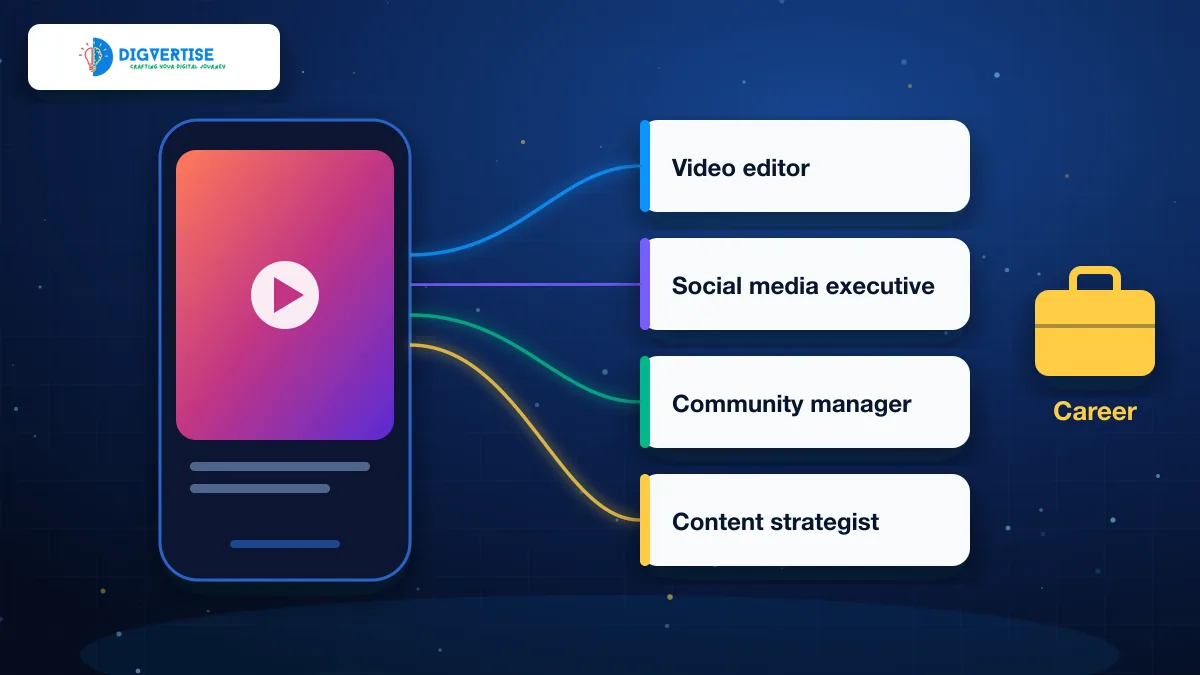
The same data shows that around 60% of creator hiring falls outside traditional influencer titles, in work such as video production, community management and content operations. Businesses need people who can plan, make and run content consistently, whether or not those people have a big personal following.
| Role | What you actually do | Skills that matter |
|---|---|---|
| Social media executive | Plan and publish content, reply to comments and messages, report results | Planning, writing, basic design, analytics |
| Video editor | Turn raw footage into Reels, Shorts and ads that hold attention | Editing, pacing, captions, storytelling |
| Content strategist or writer | Decide what to say, to whom and why; write scripts and posts | Research, clear writing, audience understanding |
| Community manager | Build and look after an engaged audience, handle feedback | Communication, patience, judgement |
| Influencer or creator manager | Find, brief and manage creators for a brand's campaigns | Negotiation, briefing, tracking results |
| Content operations | Run calendars, approvals, assets and tools so content ships on time | Organisation, tools, process thinking |
Followers are not a CV. Results are.
Indeed India's talent strategy advisor Rohan Sylvester says employer expectations are shifting toward measurable outcomes, such as audience engagement, conversions and brand consistency. A large following can open doors, but a hiring manager will still ask what your content achieved for someone. Ten thousand followers on a personal page say less than one documented project where your Reels brought a local business real enquiries.
That is why the strongest creator portfolios look like case studies: the goal, what you made, what happened and what you learned. If you want to understand why reach and results are different things, see why viral Reels get views but don't always generate leads.
Gig work: stepping stone or trap?
Many creators start as freelancers, and that can be a good way to learn. But it helps to see the wider picture. India's Economic Survey, reported by ThePrint (opens in a new tab), puts the gig workforce at about 1.2 crore in FY2025, up from 77 lakh in FY2021, and notes that around 40% of gig workers earn less than ₹15,000 a month.
Freelancing can build skills and a portfolio quickly. It becomes a trap when income depends on a few unpredictable gigs and nothing compounds. Treat early freelance work as paid training: keep the best work for your portfolio, raise your rates as your results improve, and keep looking for steady clients or a full-time role that values what you have learned.
How to start: a six-step path
- Pick one format you enjoy and are willing to practise every week: short video, writing, design or community work.
- Learn the basics properly: storytelling, editing or writing, and the analytics that show what worked. Read what actually drives Instagram reach in 2026 before you guess.
- Make content for a real business or cause, not only for yourself. Ask a local shop, clinic or NGO if you can help for a month.
- Measure the results and write them down in plain numbers and plain words.
- Build a one-page portfolio with three case studies instead of a long list of posts.
- Apply for social media, video and content roles, or approach businesses directly with one specific idea for their channels.
A note for businesses
If you run a business, this shift works in your favour. Many young people can now plan and produce good content, and they are looking for businesses that give a clear brief and judge the work on results. Hire for results and reliability, give a clear brief, and judge the work on enquiries and trust, not just likes.
The creator career is real, if you treat it like one
Being a creator is no longer just about going viral. It is a set of skills: understanding people, telling clear stories and producing consistently. Treat it with the same seriousness as any other profession, and it can become one.
For a wider view of how careers are changing, read what freshers should learn in the AI era.