

Google Ads Can Bring Faster Visibility
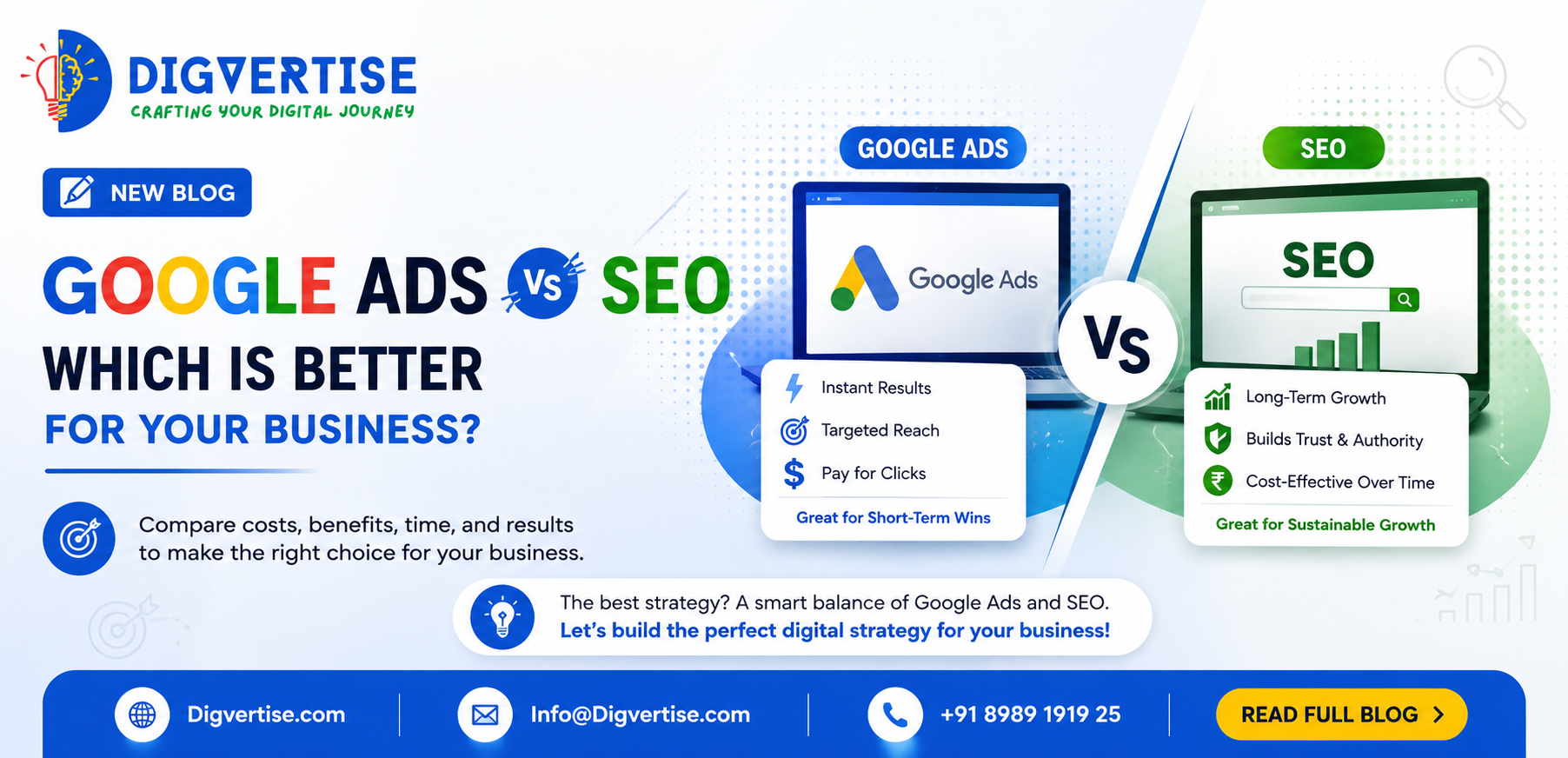
Google Ads can place your business in front of searchers quickly. It is useful for launches, seasonal campaigns, competitive offers, lead generation, and testing which messages convert.
The biggest advantage is control. You can choose keywords, locations, budgets, ad copy, landing pages, and audience signals. This makes Google Ads useful when you need immediate traffic or want to test demand before investing in long-term SEO content.
SEO Builds Long-Term Organic Strength
SEO takes more time, but it can keep supporting your business after the initial work is done. Strong pages, helpful content, and technical improvements can bring consistent traffic without paying for every click.
Organic visibility also builds trust. Many customers compare paid and organic results before deciding. If your business appears through helpful content, service pages, and local search results, it can create confidence before the first conversation.
Paid Campaigns Need Strong Tracking
Google Ads can waste money if tracking is weak. You need conversion tracking, landing page quality, audience refinement, keyword control, and regular optimization to understand what is actually producing leads.
Clicks are not the final goal. The real goal is qualified enquiries, calls, form fills, purchases, or booked appointments. Without tracking, a campaign may look active but still fail to show which keywords and ads are generating useful business outcomes.
SEO Needs Consistency
SEO is not a one-time setup. It needs content updates, technical maintenance, internal linking, authority building, and regular measurement to stay competitive.
Search results change because competitors improve, customer behavior shifts, and search engines update how they evaluate content. Consistent SEO keeps your website relevant, useful, and technically healthy.
The Best Choice Depends On Your Situation
Choose Google Ads when speed matters. Choose SEO when long-term visibility matters. Choose both when you want quick learning and durable growth working together.
For many businesses, the best approach is not either-or. Google Ads can generate fast data about keywords and offers, while SEO can use that learning to build pages that attract organic traffic over time.
Website Quality Matters For Both
A poor website hurts both SEO and Google Ads. Clear messaging, fast load speed, mobile usability, trust signals, and strong calls to action improve every search campaign.
If visitors land on a confusing page, both paid and organic traffic lose value. Before scaling spend or content, make sure the landing experience explains the offer, answers objections, and makes enquiry easy.
Conclusion
Google Ads and SEO are strongest when they support each other. Ads create immediate visibility and testing data, while SEO builds trust and long-term demand capture. Digvertise helps businesses choose the right mix based on goals, budget, and conversion readiness.
If you need leads quickly, Google Ads may be the first move. If you want stronger search presence over time, SEO is essential. If you want a complete growth system, combine both with strong landing pages, tracking, and regular optimization.